


Boosting air system reliability significantly depends on the proper installation of air dryers, a critical yet often overlooked component in compressed air systems. These devices remove moisture from compressed air, which, if left unchecked, can lead to corrosion, equipment malfunction, and reduced operational efficiency. To ensure maximum system reliability, it is essential to understand the role of air dryers and how correct installation practices influence their performance. Choosing the right type of dryer whether refrigerated, desiccant, or membrane based on the application and environmental conditions is the first step toward achieving a stable, moisture-free air supply. One of the fundamental aspects of professional dryer installation is ensuring that the unit is placed in a suitable location within the air system. The placement should allow for easy access for routine maintenance while also being shielded from extreme temperatures, vibrations, and contaminants. An ideal installation site maintains adequate ventilation and provides enough space for technicians to inspect and service the dryer. Proper placement not only extends the life of the dryer but also supports consistent system performance, reducing the chances of unscheduled downtime.
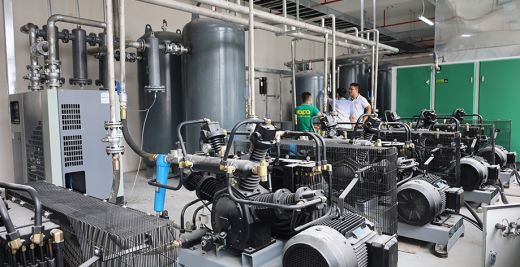
Another crucial technique is ensuring correct piping and connection layouts during installation. Poor piping practices can lead to pressure drops, flow restrictions, and even air leakage. Technicians must follow industry-standard configurations that allow for efficient air flow and minimal resistance. Additionally, the use of appropriate materials and fittings helps avoid corrosion and contamination. Including bypass lines and isolation valves is also recommended, as these features allow for maintenance without interrupting the entire system’s operation. Pre- and post-filtration setups are equally important in dryer installations click for more homebusinessmag.com. Pre-filters prevent contaminants like oil, dirt, and rust from reaching the dryer and damaging its internal components. Post-filters ensure that any residual particles or desiccant dust do not enter downstream equipment. Installing the correct filtration stages ensures not only the longevity of the dryer itself but also the overall cleanliness and functionality of the air system. These filters must be chosen and installed based on flow requirements and the specific types of contaminants likely to be encountered.
Another aspect that directly impacts reliability is correctly sizing the dryer to match system demands. An undersized dryer may not effectively remove moisture during peak loads, while an oversized unit can lead to unnecessary energy consumption and operational inefficiency. Professional installers perform thorough assessments of system requirements, considering factors like flow rate, pressure, ambient temperature, and future scalability. This tailored approach ensures optimal performance and long-term reliability. Proper startup and commissioning procedures ensure the air dryer performs as expected from day one. This includes verifying electrical connections, calibrating control settings, and conducting leak and performance tests. Documenting these parameters allows for future benchmarking and simplifies troubleshooting. Ongoing training for maintenance staff further enhances reliability by ensuring that best practices are consistently followed throughout the dryer’s operational life.